
Media Coaching
Prepare your executives and spokespeople to perform at their absolute best in any media environment — from adversarial press interviews to live television, podcasts, and high-stakes keynotes.
7 seconds
average time a viewer takes to form a first impression of an executive spokesperson on camera
38%
of communication impact attributed to tone and delivery — independant of words used
Great leaders are not automatically great communicators
in high-pressure media situations. The skills required to handle a tough journalist, stay on message under pressure, and come across as credible and authoritative on camera are learnable — but only with the right training and practice.

Why It Matters
One bad interview can undo years of reputation building.
The risks of unprepared spokespeople are well documented and deeply consequential. An off-the-cuff comment taken out of context, a visible moment of discomfort under tough questioning, or a message that simply fails to land — each of these can undermine trust with stakeholders, generate negative coverage, and create headaches that take months to resolve.
Media training is not about coaching executives to be evasive or robotic. It is the opposite: it helps them communicate more authentically, more confidently, and more effectively. Prepared spokespeople are present in the conversation, able to bridge to their key messages naturally, and capable of handling any situation — expected or otherwise — without losing their composure or their credibility.

-
The fundamentals of working with journalists — understanding how reporters think, how to deliver clear, quotable messages, and how to control a conversation while remaining genuine and credible.
-
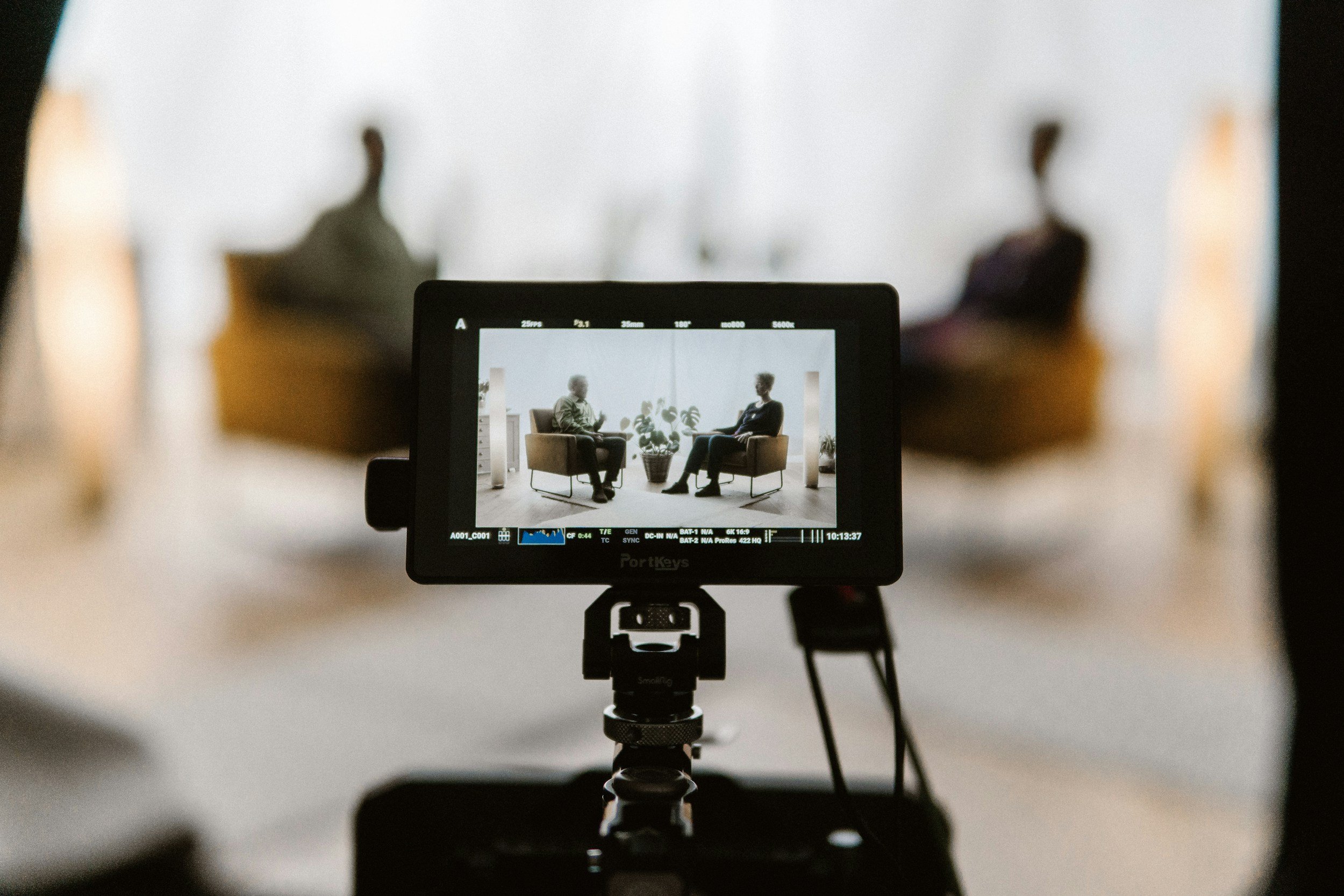
Intensive preparation for television and video interviews, including camera presence, physical composure, non-verbal communication, and the discipline of delivering key messages in brief, broadcast-ready soundbites.
-
The art of staying on message without appearing evasive — techniques for smoothly navigating off-topic questions and returning to the narratives that matter most to your organization.
-
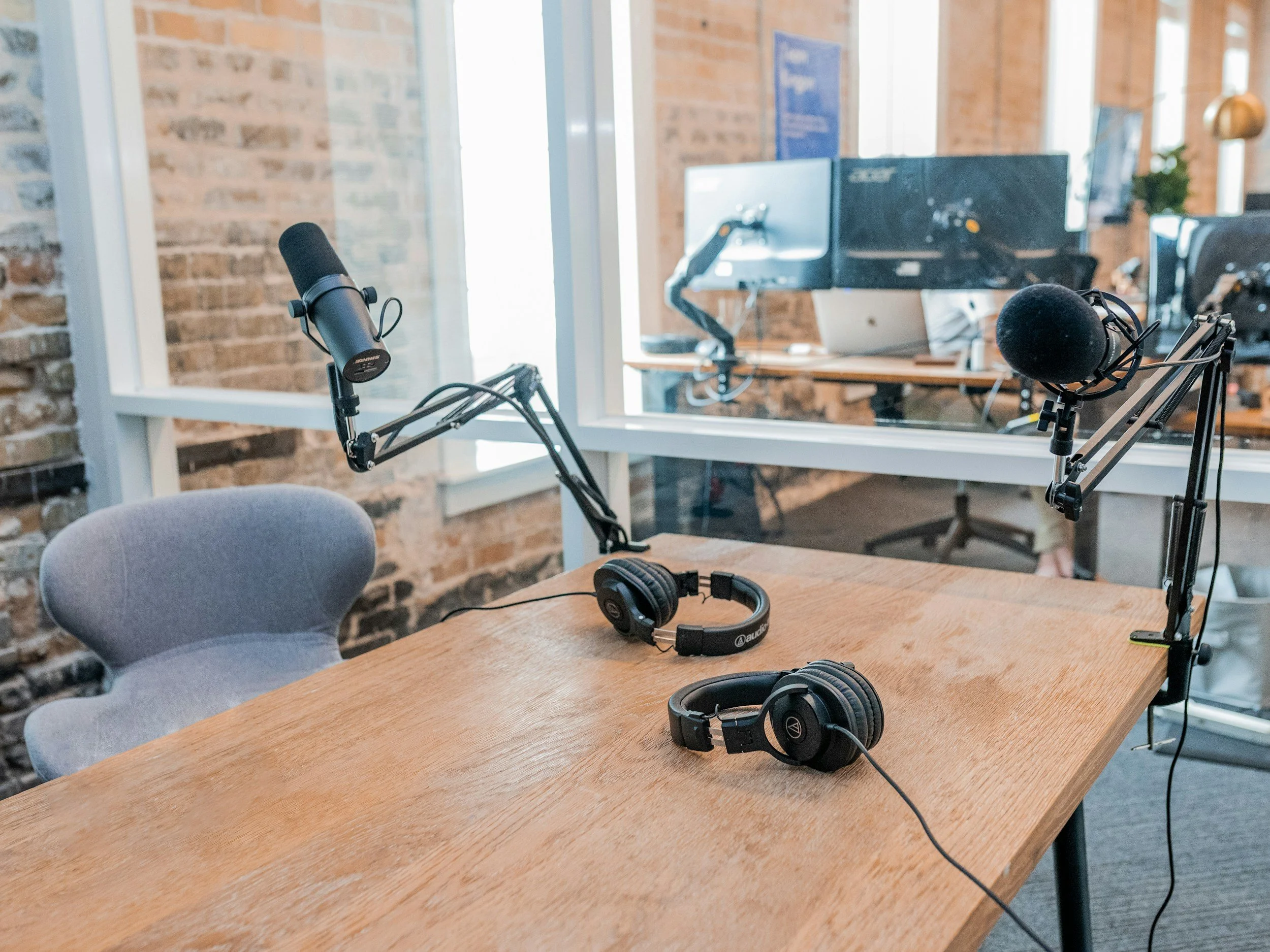
Training tailored to the conversational demands of long-form podcast appearances, where different rules around depth, authenticity, and audience engagement apply.
-
Just-in-time preparation before major media appearances — including updated Q&A documents, message refinement, and a final coaching session to ensure your spokesperson arrives fully ready.
Comprehensive Media Training
Building Media Confidence

01
Spokesperson Assessment
We evaluate each individual's current communication strengths and development areas through recorded mock interviews reviewed together with detailed feedback.
02
Message Framework Development
We build a set of clear, compelling key messages tailored to your spokesperson's authentic voice and the specific audiences they'll be addressing.
03
Immersive Training Sessions
Intensive, scenario-based training with on-camera practice, immediate feedback, and progressive difficulty — building genuine skill and lasting confidence.
04
Ongoing Readiness Maintenance
Regular refresher sessions, pre-interview briefings, and post-interview debriefs that keep skills sharp and continuously improve performance over time
Spokespeople Who Perform When It Counts